Aquaphor can be used on a new tattoo for the first day or 2, in a very thin layer, if your artist recommends it. Vaseline is pure petroleum jelly and is too heavy for a fresh tattoo. Both seal the skin, so after the first days a light, breathable lotion made for recovering skin is the better choice.
This guide explains what each product is, why sealing a new tattoo can backfire, how to use an ointment safely if your artist gives you one and what to switch to after the first days.
The productsWhat Aquaphor and Vaseline are
Vaseline is petroleum jelly. It contains no water and forms an almost airtight seal on the skin. That makes it a good barrier for chapped lips or cracked heels, and a poor match for an open, weeping tattoo.
Aquaphor Healing Ointment is also petrolatum based, with ingredients such as lanolin alcohol, panthenol and glycerin. It is lighter than pure petroleum jelly and lets a little more moisture through, which is why many artists have recommended it for decades. It is still an ointment, and it is still heavy.
AquaphorIs Aquaphor good for a new tattoo?
It can be, for a short time and in the right amount. In the first 24 to 48 hours a new tattoo weeps plasma and a little ink, and a very thin film of ointment can stop the surface drying and cracking. The trouble starts when the layer is thick or the ointment is used for days. Heavy ointment holds in moisture and heat, the surface turns soft and sticky, and softened scabs lift away early, sometimes with pigment.
Lanolin alcohol is a known allergen for a small number of people. If you have reacted to lanolin, wool alcohol or similar ingredients before, avoid it on a tattoo.
VaselineCan you put Vaseline on a tattoo?
Not on a new one. Petroleum jelly seals the skin so completely that a weeping tattoo cannot breathe, fluid gathers under the layer and the surface stays wet. The American Academy of Dermatology advises against petroleum based products on new tattoos for this reason. On a fully recovered tattoo a little Vaseline does no harm, but it does not protect the ink from the sun and there are better ways to keep the skin supple.
| Vaseline | Aquaphor | Light recovery lotion | |
|---|---|---|---|
| Base | Petroleum jelly, no water | Petrolatum based ointment | Water with light oils |
| Feel on the skin | Thick, greasy, airtight | Thick, greasy | Thin, absorbs in minutes |
| Days 1 to 2 | Not recommended | A very thin layer, if your artist says so | Yes, from the first wash |
| Days 3 to 14 | Not recommended | Too heavy for most tattoos | Yes, 3 to 5 times a day |
| Recovered skin | Harmless, but no sun protection | Fine for very dry patches | Fine, then add daily SPF |
If you use ointmentHow to use Aquaphor on a tattoo safely
- Wash the tattoo with lukewarm water and a fragrance-free cleanser, using clean hands.
- Pat dry with fresh paper towel and let the skin air dry for a few minutes.
- Take a rice grain sized amount and spread it into the thinnest possible film.
- Blot any shine with a clean paper towel. The tattoo should look barely glossy.
- Stop after the first day or 2, or when your artist says, and move to a light lotion.
What to use insteadWhat to use after the first days
From the first wash, a thin, light lotion made for recovering skin does what the ointment does without sealing the surface. Look for fragrance free, alcohol free and petroleum free, in a pump. The full comparison of textures is in tattoo lotion, cream, balm or ointment.
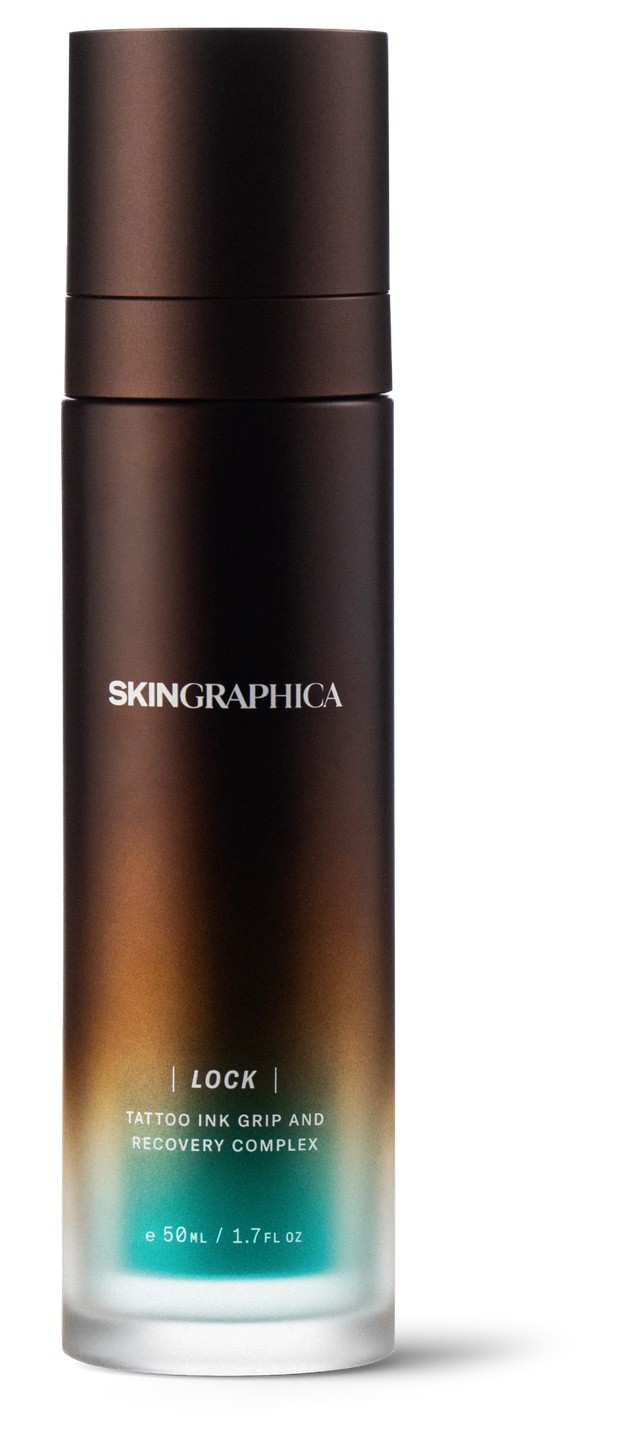
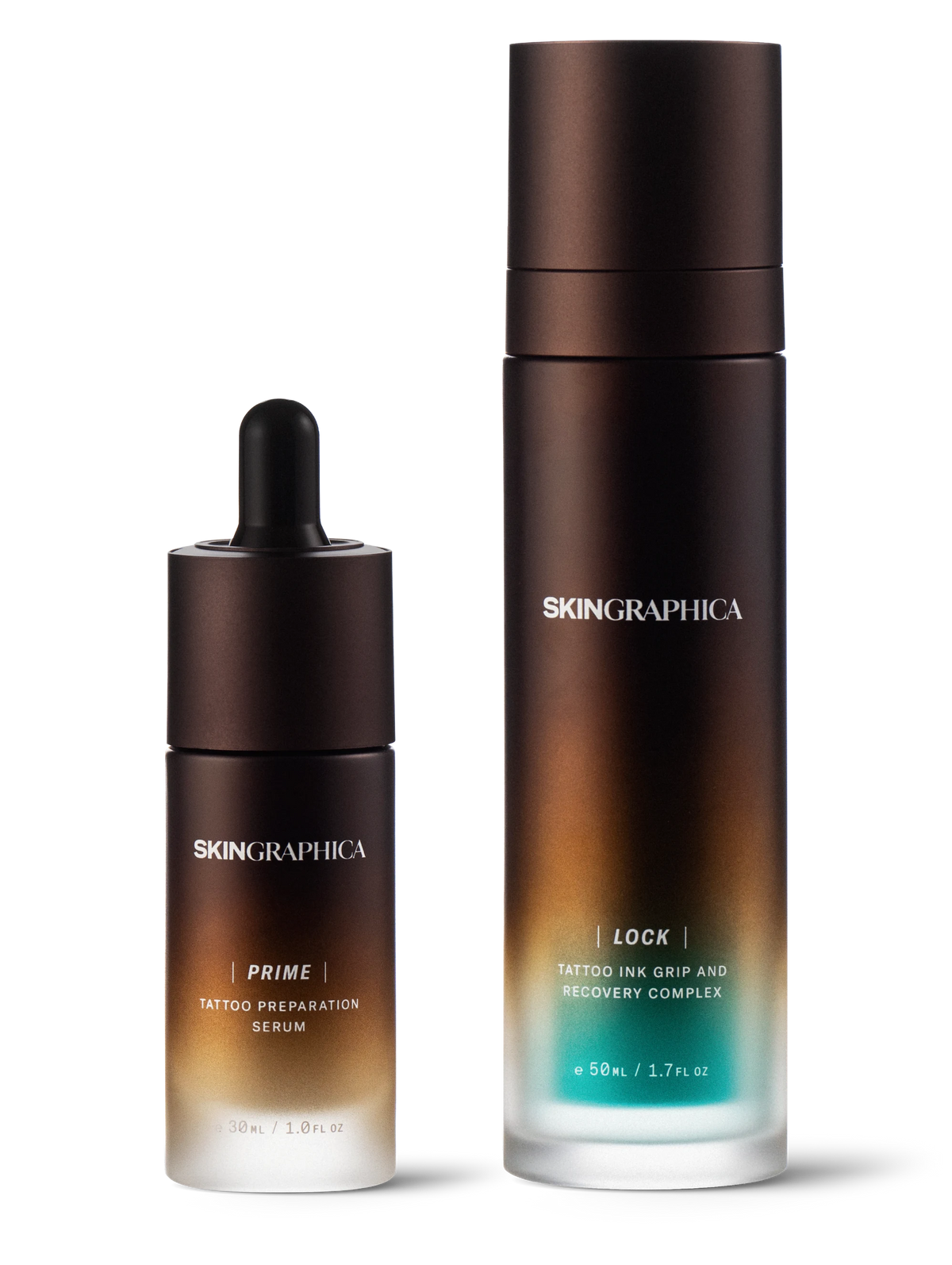
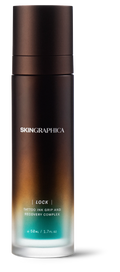
LOCK is ours. A breathable, medium weight recovery lotion with centella asiatica, panthenol, bisabolol and squalane, free of petroleum, mineral oils, lanolin and fragrance. Apply a thin, even layer 3 to 5 times a day once the covering is off, for 14 days or until the skin feels fully recovered. In our consumer study of 30 people, 92% reported less itching, and scabbing and flaking settled in 7.8 days on average. Then move on to SHIELD every day.
Watch forSigns the ointment is too heavy
- The surface stays wet or sticky hours after you apply.
- Scabs turn soft, white or gummy.
- Small red bumps or spots appear around the tattoo.
- The skin smells sour or feels hot under the layer.
Wash gently, let the skin dry and use a lighter product in a thinner layer. Redness that spreads, heat that builds, pus or a fever are not part of normal recovery. See a doctor and read Is my tattoo infected?
QuestionsAquaphor and Vaseline on tattoos, answered
Should I use Aquaphor on my new tattoo?
Only if your artist recommends it, only for the first day or 2 and only as a very thin film. After that a light, breathable lotion made for recovering skin is the better choice.
How long should I use Aquaphor on a tattoo?
Most artists who use it suggest the first 1 to 3 days. Using a heavy ointment for longer keeps the surface too wet and can soften scabs.
Is Vaseline bad for tattoos?
Vaseline is too heavy for a new tattoo because it seals the skin and traps fluid. On a fully recovered tattoo it is harmless, but it offers no sun protection.
Can Aquaphor fade a tattoo?
Aquaphor does not bleach ink. Used too thickly or for too long it can soften scabs, and scabs that lift early can take pigment with them, which leaves patches.
What is better than Aquaphor for a tattoo?
For most tattoos, a thin, fragrance-free lotion made for recovering skin, used from the first wash for about 2 weeks. LOCK is ours.
Can I use Aquaphor on an old tattoo?
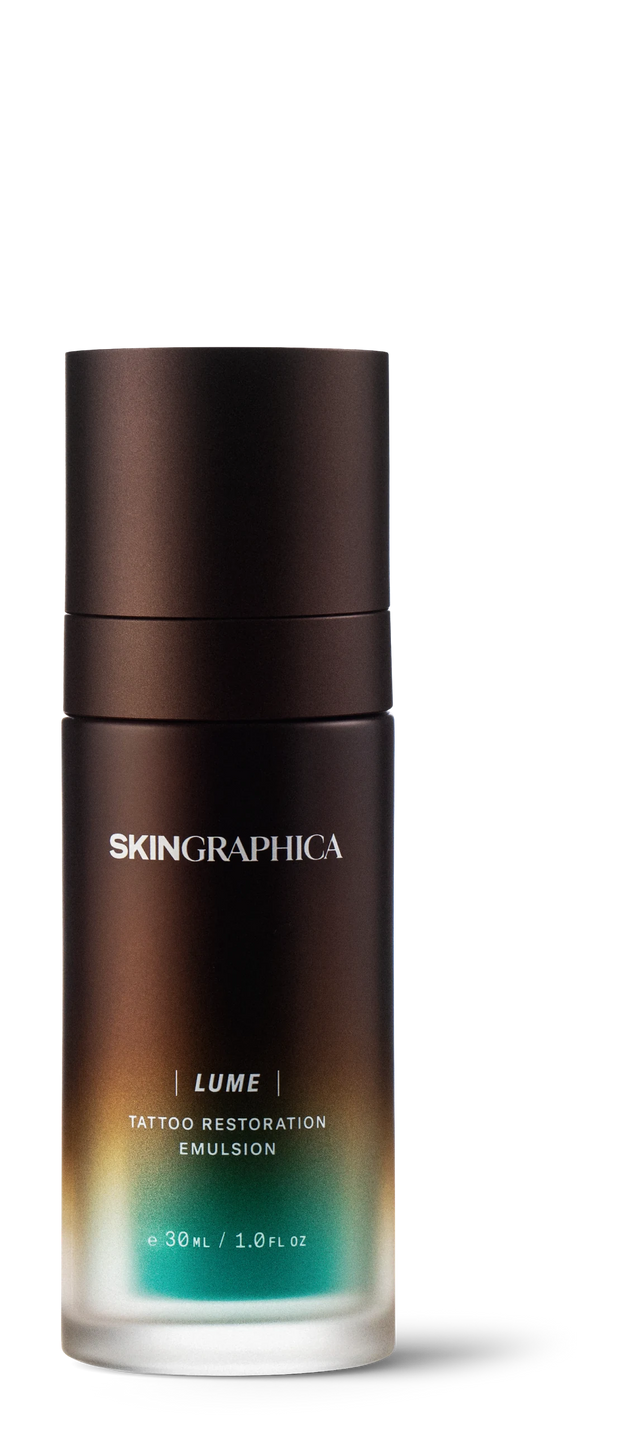
Yes, on very dry patches of recovered skin. What older tattoos need most is daily moisture and sun protection, and LUME for work that has faded.
Thin and short, then let the skin breathe.
Aquaphor can help for the first day or 2 in a very thin film if your artist asks for it. Leave Vaseline off a new tattoo. From the first wash, a light lotion made for recovering skin does the job without sealing the surface.
This guide is general information about caring for tattooed skin, not medical advice. Always follow your artist’s instructions, and see a pharmacist, doctor or dermatologist if you notice signs of infection, an allergic reaction or anything that worries you.