Tattoos hurt most where the skin is thin, bone sits close to the surface or nerve endings cluster, so the ribs, spine, sternum, feet, hands and the backs of the knees top the chart. Fleshy places with thicker skin, like the outer arm, outer thigh and calf, hurt least. Here is the full chart, scored 1 to 10.
Most painfulModerateLeast painful
Scored 1 to 10 from what artists and clients report most often. Pain is personal, so treat it as a guide, not a promise.
The scienceWhy some places hurt more
A tattoo needle deposits ink about 1 to 2 millimetres into the skin, into the dermis, where the nerve endings are. How much that registers comes down to 3 things.
- Bone close to the surface. Over the ribs, sternum, spine, ankles and shins there is little fat or muscle to cushion the needle, and many people feel a vibration through the bone.
- Thin skin. The inner arm, inner wrist, neck and the backs of the knees have thinner skin that is more sensitive to repeated passes.
- Nerve density. Hands, feet, lips and the face carry far more nerve endings than the outer arm or thigh.
Highest on the chartThe most painful places to get tattooed
- Ribs. Thin skin over bone that moves with every breath. Often described as the hardest placement to sit through.
- Armpit. Dense nerves and lymph nodes. Few people choose it for a first tattoo.
- Spine and sternum. Bone directly under the needle, with a sharp, buzzing quality.
- Feet and ankles. Thin skin, bone and tendons with very little padding.
- Knees and the backs of the knees. Kneecaps are bony and the skin behind the knee is thin and stretchy.
- Hands, fingers and elbows. Thin skin, many nerves and constant movement, which also makes these placements fade faster.
Lowest on the chartThe least painful places to get tattooed
- Outer upper arm and shoulder. Thick skin over muscle. The classic first tattoo for good reason.
- Outer forearm. Easy to sit for, easy to see and easy to care for.
- Outer thigh and calf. Plenty of muscle and fat to cushion the needle, and room for large work.
- Upper back and buttocks. Thick skin and good padding, though long back sessions get tiring.
On the dayWhat makes a session hurt more
- Time in the chair. Most people find the first hour the easiest. After 3 to 4 hours skin becomes more sensitive, which is why large pieces are split across sessions.
- The work itself. Linework is sharp and quick. Shading and colour packing go over the same skin repeatedly and can feel raw.
- Alcohol and caffeine. Alcohol thins the blood and both can make you more jittery. Avoid alcohol for at least 24 hours before.
- Sleep and food. Tiredness and low blood sugar lower your tolerance. Eat a proper meal beforehand and bring a snack.
- Skin condition. Dry, sunburnt or irritated skin is more sensitive and harder to work. Well-hydrated skin is easier for the artist to work.
Well-prepared skin will not make a rib piece painless, but it gives your artist a better surface and you a better start to healing.
Before your appointmentHow to prepare your skin
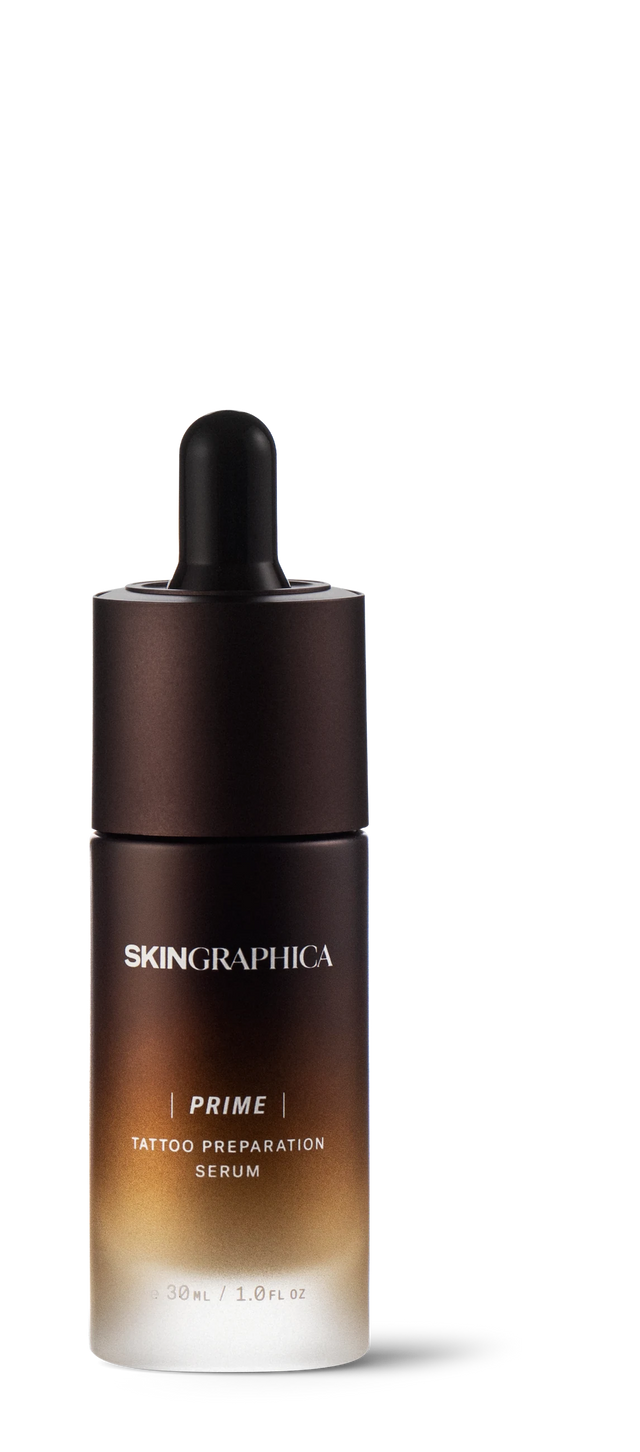
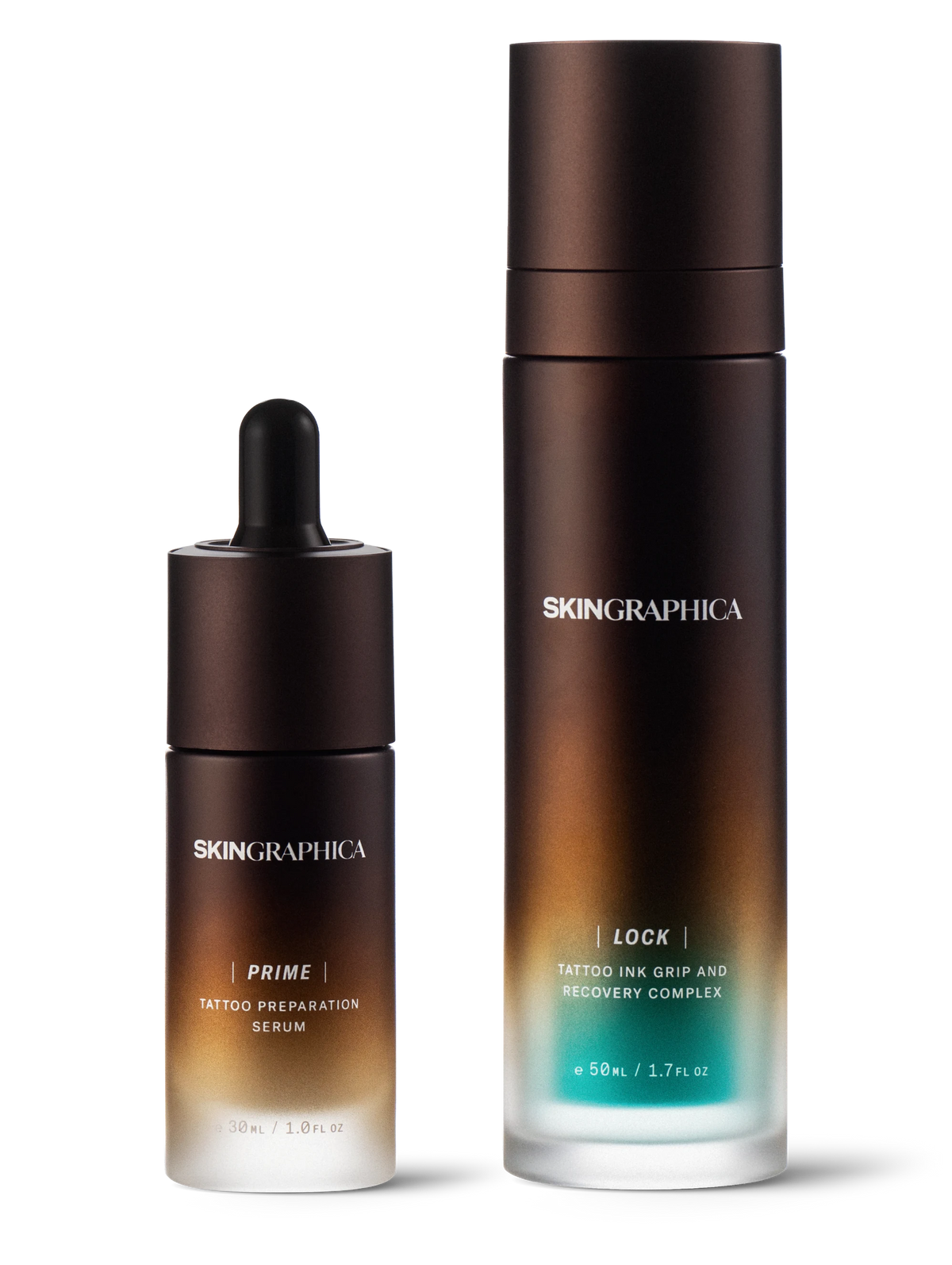
Start 3 weeks out. PRIME is a serum made for the 21 days before an appointment. It strengthens the skin barrier and hydrates the skin into a smooth canvas. In an artist and consumer study, 90% of artists reported improved needle glide.
- Keep the area out of the sun for 2 weeks so it is not burnt or peeling on the day.
- Moisturise daily, but arrive with clean skin and no product on the area.
- Sleep well the night before and eat a full meal 1 to 2 hours before.
- Wear loose, dark clothing that gives easy access to the placement.
For the full checklist, read how to prepare for your first tattoo. For why pain is part of the meaning for many people, ICONICA explores why tattoo pain matters.
QuestionsTattoo pain, answered
Where is the least painful place for a first tattoo?
The outer upper arm, outer forearm, outer thigh and calf. They have thicker skin and more muscle or fat between the needle and the bone.
What does getting a tattoo feel like?
Most people describe a hot scratching or a cat scratch that repeats. Over bone it can feel like a buzzing vibration, and shading can feel more like a graze.
Do tattoos hurt more on bone?
Usually yes. With little fat or muscle to absorb the needle, placements over the ribs, spine, sternum, ankles and shins tend to hurt more.
Does a tattoo hurt more as the session goes on?
Often. Skin becomes more sensitive after a few hours, so long pieces are usually split into sessions of 3 to 5 hours.
Can I use numbing cream before a tattoo?
Ask your artist first. Some artists are happy to work with numbing products and others find they change how the skin takes ink. Never apply anything without agreeing it with them.
Choose the placement for the design, then prepare for it.
Bony, thin-skinned places hurt most and fleshy ones least, but every placement is manageable with the right preparation. Rest, eat, stay out of the sun and arrive with hydrated skin.
Pain scores are a general guide drawn from what artists and clients commonly report. They are not medical advice. Talk to your doctor before a tattoo if you take blood thinners, have a skin condition or are pregnant.