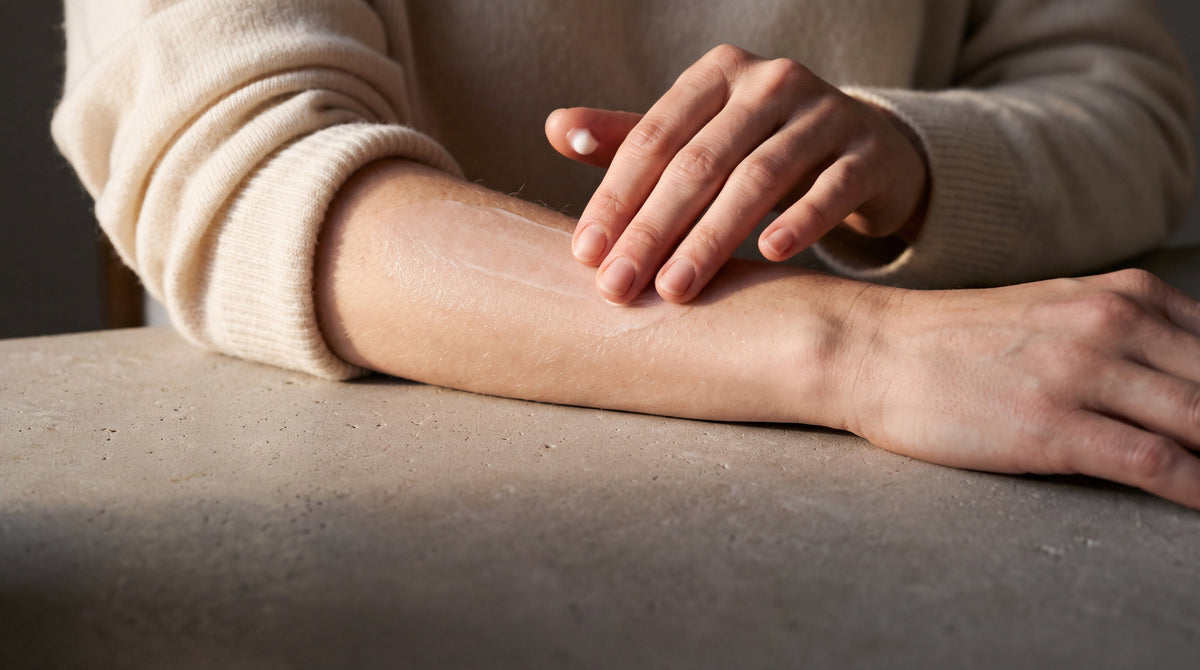
Almost every tattoo peels and itches. Flaking usually starts between day 4 and day 7, peaks in the second week and is over by week 3 or 4, and the itch follows the same curve. It is a sign the skin is renewing, not that something has gone wrong. The rule is simple. Don’t pick, don’t scratch and keep the skin lightly moisturised.
Day by dayThe tattoo peeling timeline
| When | What you see | What you feel |
|---|---|---|
| Days 1 to 3 | Redness, a little swelling, clear or ink-tinted fluid | Tender, warm, like a graze |
| Days 4 to 7 | A dull film forms and the first fine flakes lift | Tight and dry, the itch begins |
| Days 7 to 14 | Flaking at its peak, some light scabs over heavy work | The itchiest stretch |
| Weeks 3 to 4 | Peeling ends, the tattoo looks milky or cloudy | Mostly comfortable |
| Months 1 to 6 | The colour clears and settles | Nothing, the deep skin keeps remodelling |
Why it happensWhy a tattoo peels
The needle works through the outer layer of skin, the epidermis, to place ink in the dermis below. The damaged outer layer is then replaced from underneath and the old cells shed as flakes. It is normal for those flakes to carry a little colour. That is excess ink from the top layer. The ink that stays sits deeper, in the dermis, and is not going anywhere.
Why it happensWhy a new tattoo itches
Itching is part of how skin repairs itself. Healing skin releases histamine and other signals that trigger itch, the new surface is drier and tighter than normal, and small nerve endings are regrowing. Dry, flaky skin itches more, which is why keeping a healing tattoo lightly moisturised makes such a difference.
ReliefHow to stop the itch without scratching
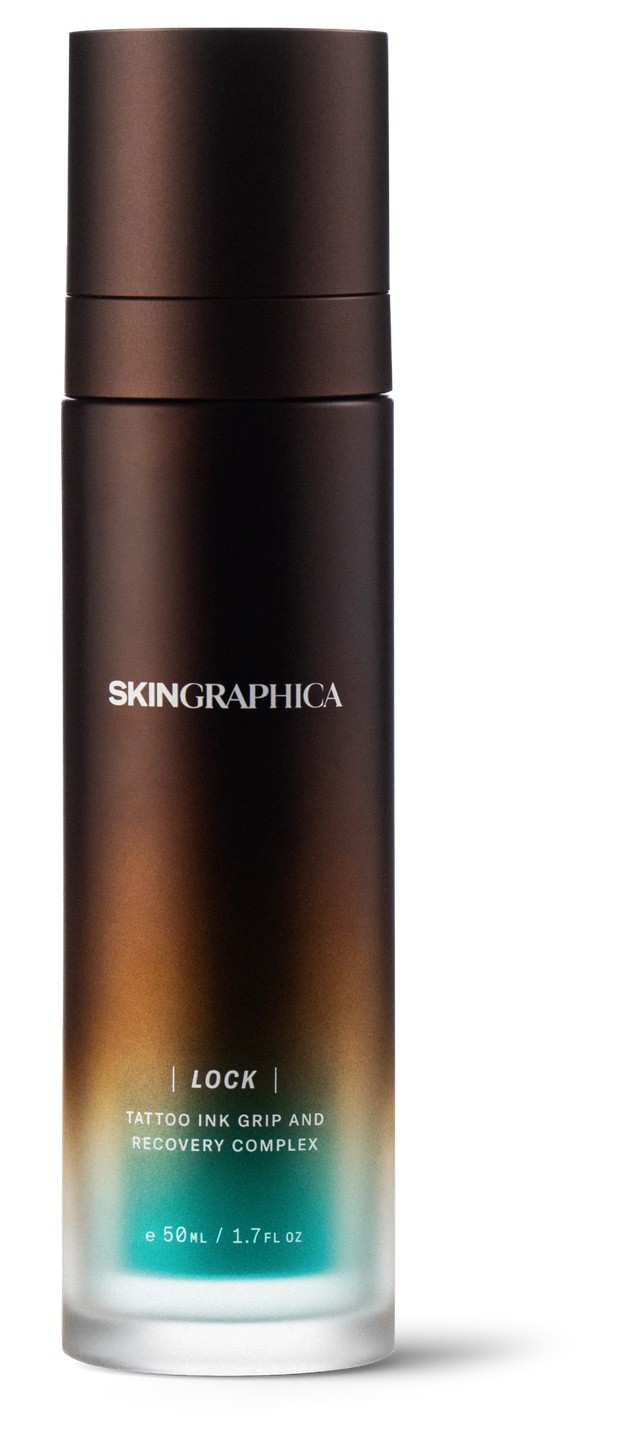
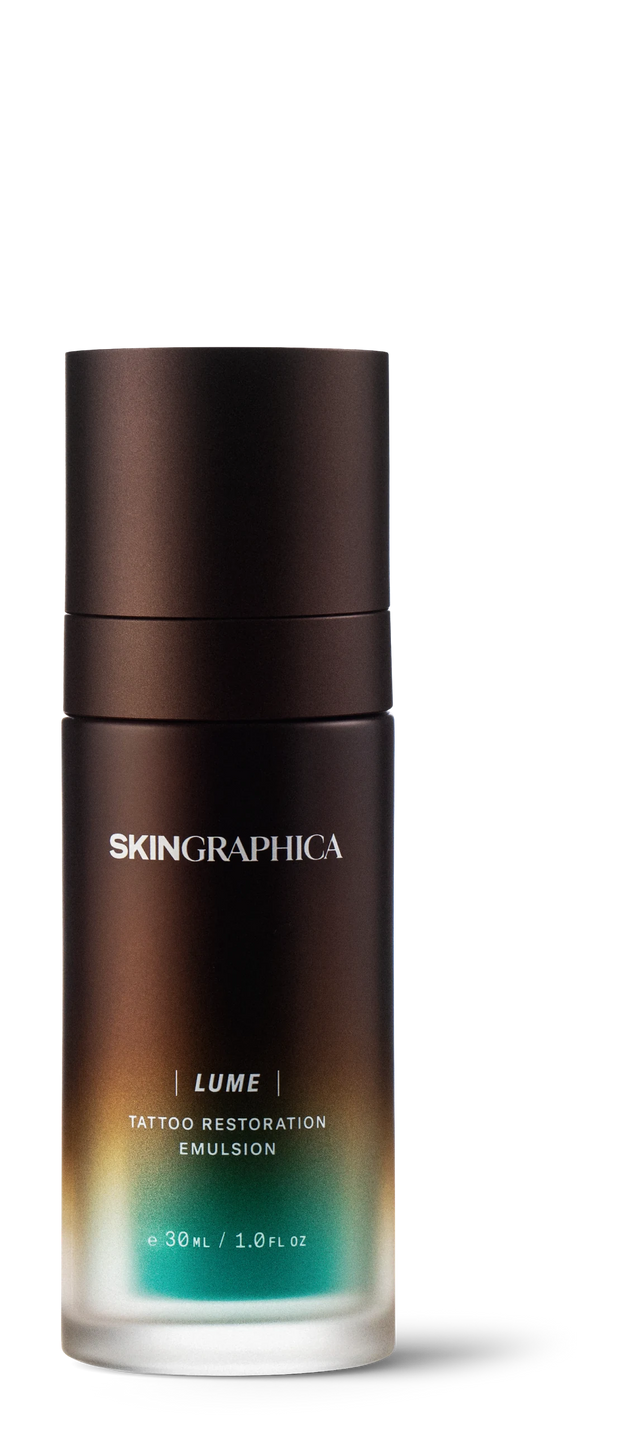
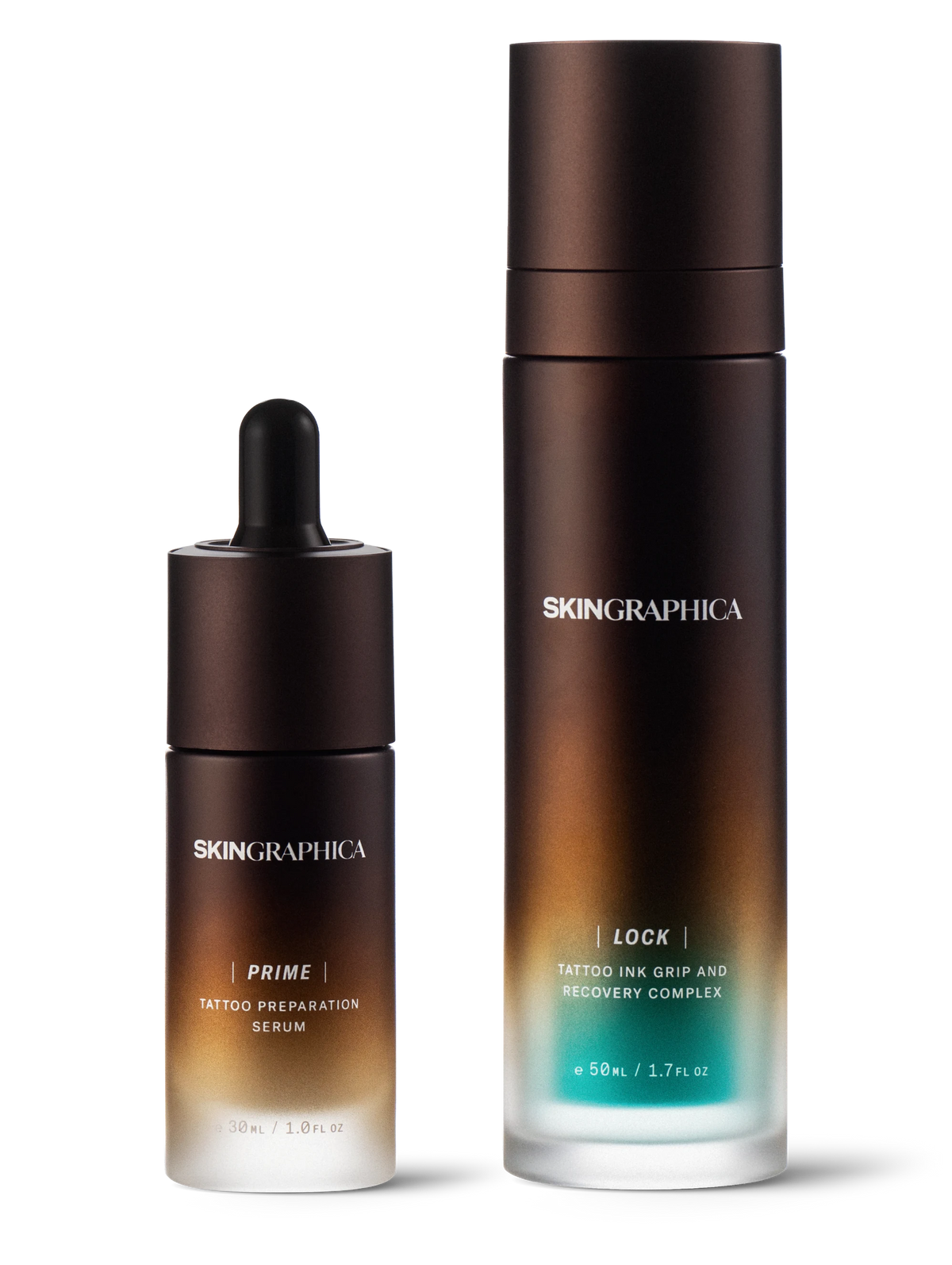
- Moisturise in thin layers. 2 to 3 times a day after washing. LOCK is made for this stage. In a consumer study, 92% of people reported less itching.
- Pat, don’t scratch. A gentle tap or press with a clean hand takes the edge off without lifting skin.
- Cool it. A clean, cool compress for a few minutes. Never put ice straight on the skin.
- Wear loose, soft fabrics. Rough or tight clothing rubs flakes off before they are ready.
- Keep showers lukewarm and short. Hot water dries the skin and makes the itch worse.
- Keep nails short, especially overnight, when most accidental scratching happens.
If the itch is keeping you awake, ask a pharmacist whether an oral antihistamine is suitable for you. Avoid anti-itch creams on a healing tattoo unless a doctor recommends one.
Every flake you pick could take ink with it. Let the skin finish the job on its own schedule.
Weeks 2 to 6The cloudy stage
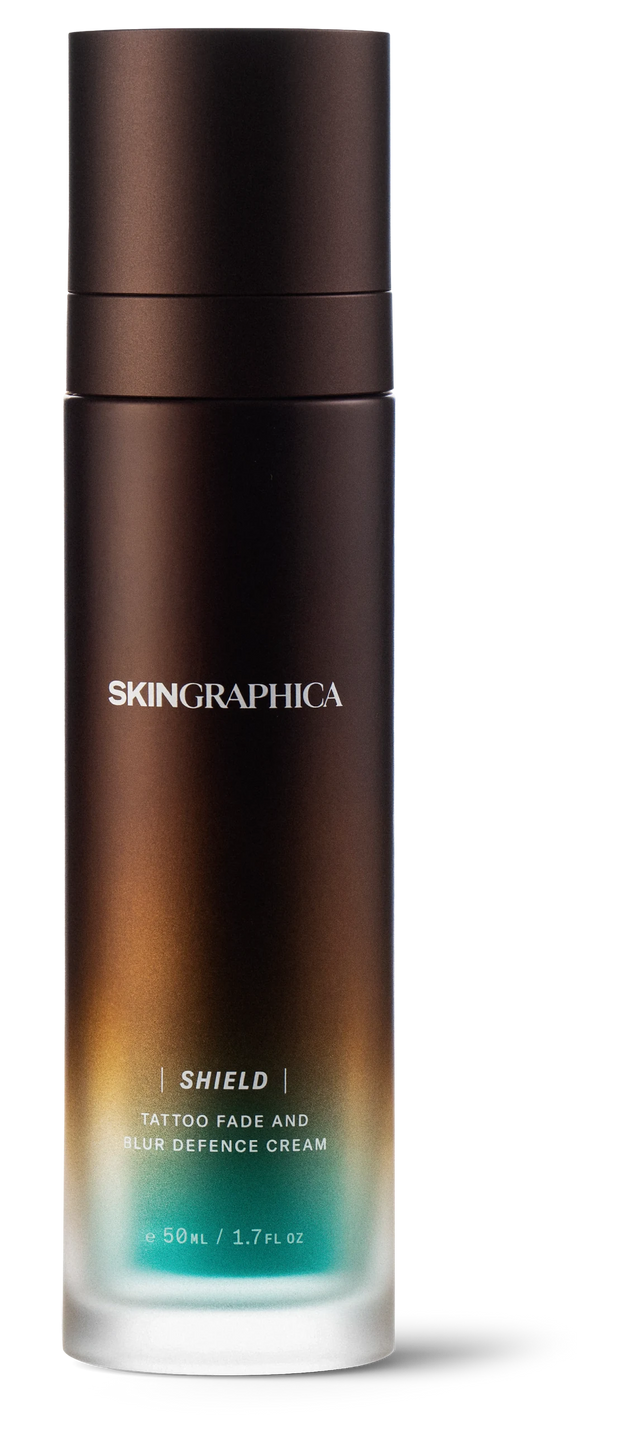
Once the peeling stops, many tattoos look milky, dull or slightly blurred. A fresh layer of skin sits over the ink and has not settled yet. It is not fading. Most tattoos clear over the following 2 to 4 weeks. Keep moisturising and keep it out of the sun. Once it has healed, protect it every day with SHIELD or a broad spectrum SPF.
Not normalWhen to see a doctor
- Redness that spreads, darkens or keeps growing after day 3.
- Heat, increasing swelling or pain that gets worse instead of better.
- Pus, cloudy yellow or green fluid, red streaks or a bad smell.
- A fever or feeling unwell.
- A raised, bumpy or blistering rash, often in one colour, which can be an allergic reaction to an ink.
Our guide to the signs of an infected tattoo compares normal healing with the warning signs at each stage.
Years laterWhy old tattoos itch
A tattoo that itches or rises months or years after healing is common and usually harmless. Heat, humidity, sun and dry skin can all make the lines feel raised for a day or 2. Some people react to a particular ink, most often red, sometimes long after the tattoo was done. If the itch keeps coming back or the skin thickens, see a dermatologist. ICONICA looks at why old tattoos itch when the weather changes.
QuestionsPeeling and itching, answered
How long does tattoo peeling last?
Usually about a week. It starts around day 4 to 7, peaks in week 2 and is finished by week 3 or 4. Large or heavily saturated pieces can take a little longer.
Is it normal for colour to come off when my tattoo peels?
Yes. Flakes often carry some colour, which is excess ink from the outer layer. The ink that stays sits deeper in the dermis.
Can I put lotion on a peeling tattoo?
Yes, a thin layer of a fragrance-free formula made for healing skin, 2 to 3 times a day. It softens the flakes so they lift on their own and helps calm the itch.
Why is my tattoo still itchy after 2 weeks?
The second week is often the itchiest, and mild itching can carry on into week 3 while the new skin settles. If it comes with a raised rash, spreading redness or heat, see a doctor.
What happens if I scratch my new tattoo?
Scratching can tear fresh skin, lift flakes and scabs too early and pull ink out, leaving patchy spots that need a touch up. It also opens the skin to bacteria.
Peeling and itching are signs of a tattoo healing well.
Expect flaking from around day 4, the itchiest stretch in week 2 and a cloudy finish that clears within a month. Moisturise in thin layers, pat instead of scratching and see a doctor if the skin turns hot, swollen or painful.
This article is general guidance on tattoo aftercare, not medical advice. If you notice signs of infection, an allergic reaction or anything that worries you, see a pharmacist, doctor or dermatologist.