Sleeping With a New Tattoo: Tips for Safe Healing
Sleep on the side opposite your tattoo, on clean old bedding, with nothing wrapped over it once your artist’s covering is off. The first 3 nights matter most. Rest helps your skin recover, but so does keeping pressure, friction and bacteria off fresh skin. Here is how to sleep with a new tattoo without compromising the work.
The Risk Will Sleeping on a Tattoo Ruin It?
Not by itself, no. But the things that can go wrong while you are asleep certainly can. The risks are not dramatic. They are everyday ones, like pressure that disturbs settling pigment, sweat and moisture trapped against the skin, friction from sheets that lifts flakes, fabric that sticks to weeping plasma and the unconscious scratching that starts with the itch.
Most of these are manageable with a few small changes to where, how and on what you sleep. The first 3 nights are the most important. After that, the rules ease quickly.
Phase by Phase When Can You Sleep on a Tattoo?
The honest answer is not properly, until it has fully peeled. In practice, that means avoiding direct pressure on the tattoo for at least the first week, easing back gradually through week 2 and sleeping on it normally from around day 14 to 21. Here is the breakdown.
Night 1 · The Hardest
The tattoo will weep plasma, ink residue and a small amount of blood overnight. This is normal. The challenge is keeping the area clean and free of pressure, with nothing wrapped over it once the artist’s covering has come off.
Sleep on the opposite side from the tattoo. If the tattoo is on your back, sleep on your stomach. If it is on your stomach or chest, sleep on your back. Side tattoos are the most awkward, and the only option is the opposite side.
Use old, clean bedding you do not mind staining. Some plasma and ink transfer onto sheets is inevitable, and the second-day discovery of a stained pillowcase is part of the universal new-tattoo experience.
Nights 2 and 3 · Still Strict
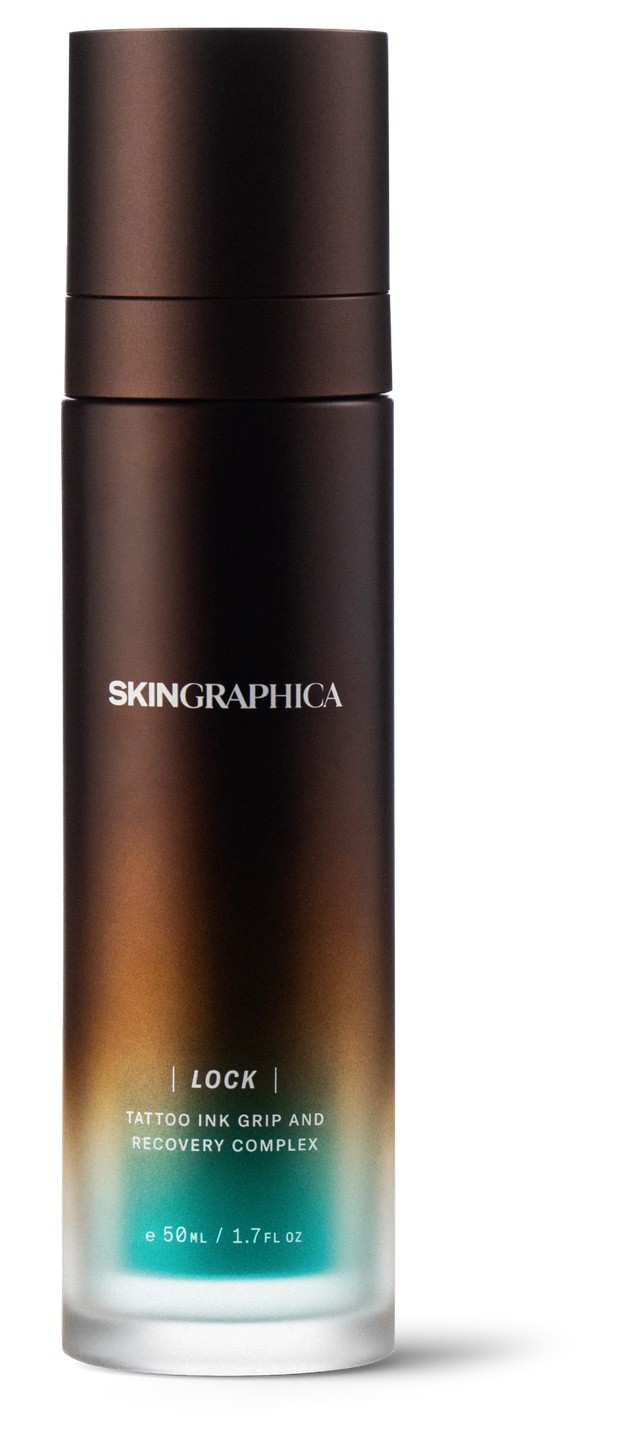
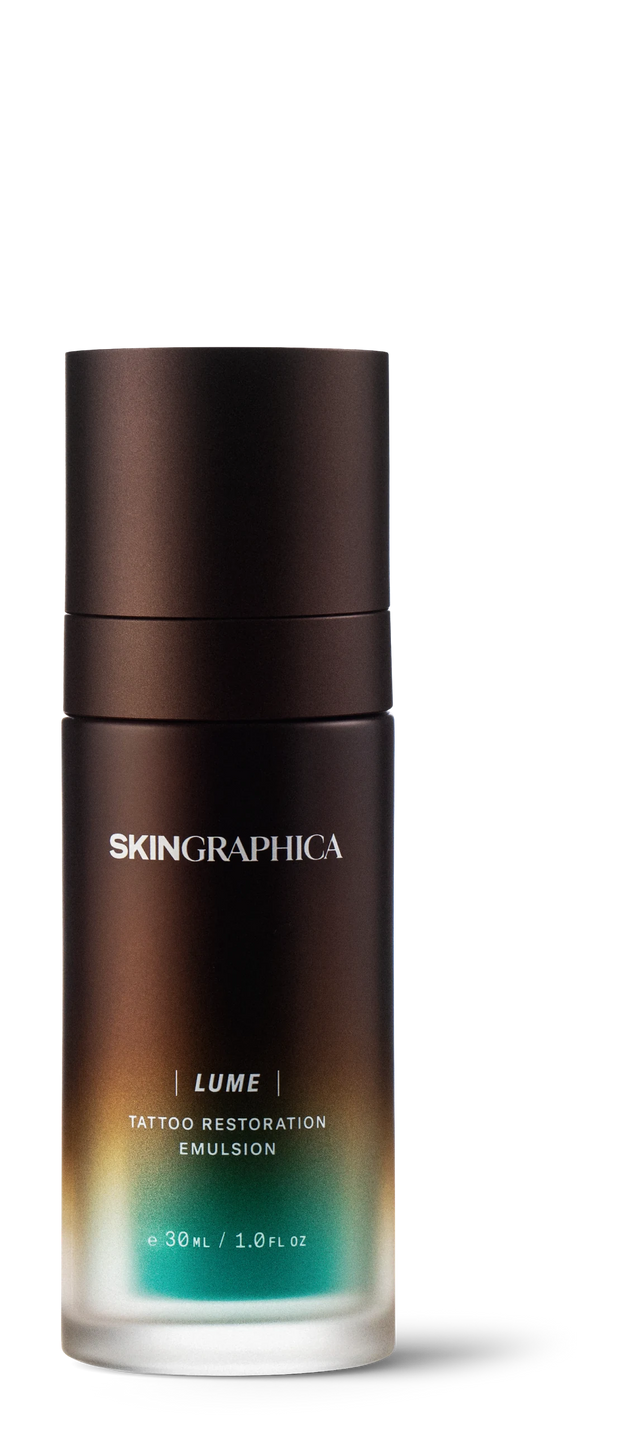
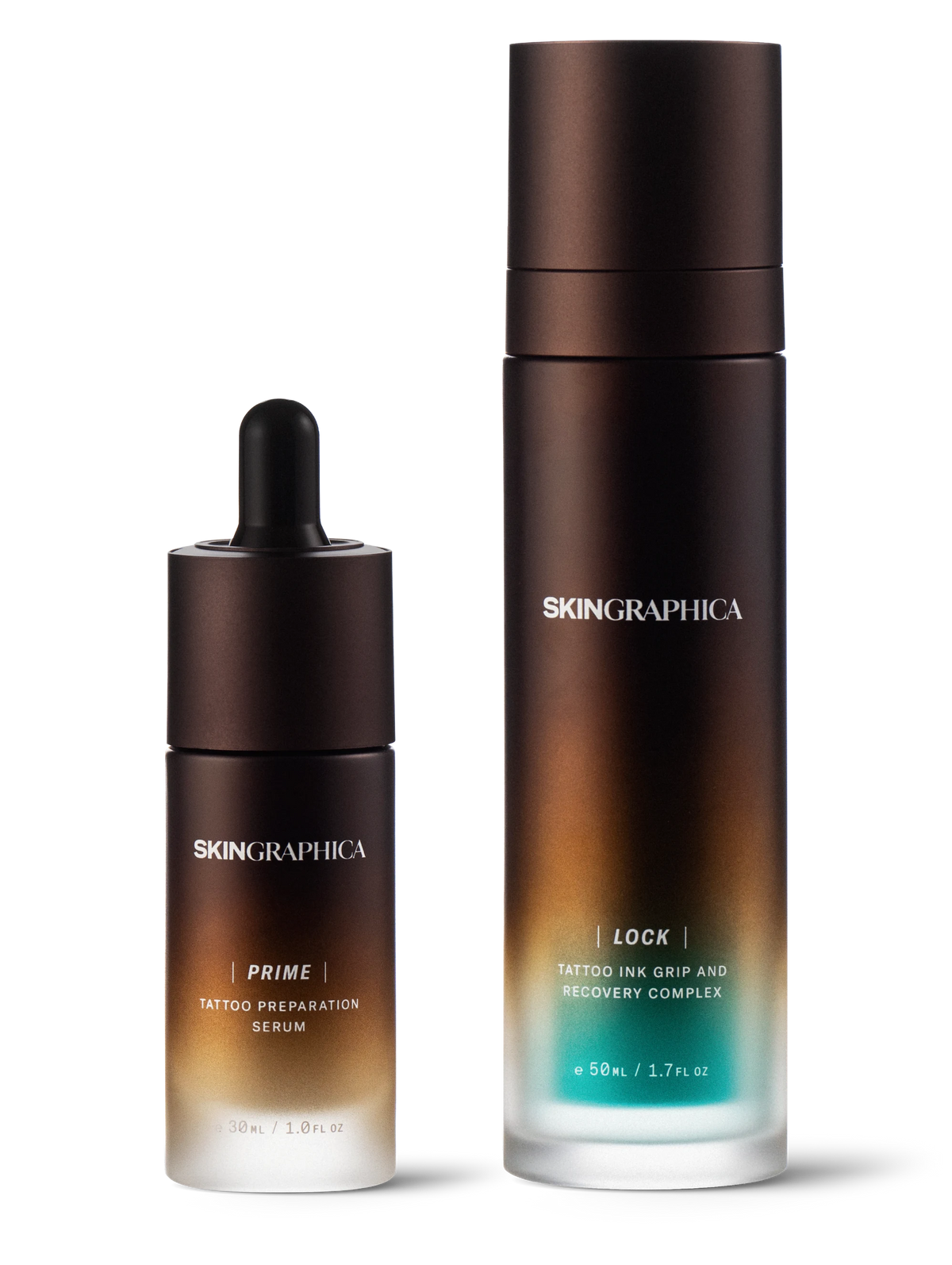
Plasma production tapers, but the area is still tender and the skin barrier has not formed. Continue avoiding direct pressure. Before bed, once the skin has fully air-dried, apply a thin layer of LOCK tattoo recovery complex if the skin feels tight or dry. A thin layer only. A heavy one traps moisture against the tattoo for 8 hours.
Do not re-wrap the tattoo overnight. Trapped moisture under cling film is a bigger risk than friction with clean cotton bedding.
Days 4 to 7 · Easing Up
Can you sleep on your tattoo after 3 days? Cautiously and briefly, if you must, but it is still better to avoid direct pressure if you can. The tattoo is moving into the peeling phase, and pressure on partly peeled skin can lift flakes prematurely and pull pigment with them.
If you wake up and find you have rolled onto the tattoo, don’t panic. Check the area in the morning, wash gently as part of your normal aftercare routine and apply a thin layer of LOCK.
Week 2 Onwards · Back to Normal
Can you sleep on your tattoo after a week? In most cases yes, though if it is still actively peeling, give it another few nights. By day 14 to 21 the surface is healed enough that normal sleep positions resume safely. The skin underneath is still remodelling for several months, but the most vulnerable phase is over.
The first 3 nights set the tone. The rest gets easier fast.
The Setup Should I Cover My Tattoo When I Sleep?
Generally no, with a single exception. After the first wash, your tattoo needs air to heal. Wrapping in cling film overnight traps moisture, raises the local temperature and creates favourable conditions for bacterial growth.
The exception is the breathable medical adhesive films that your artist may have applied or recommended. These are designed to stay on for extended periods, often several days. Follow your artist’s specific instructions for these, and do not substitute anything else in their place.
For everything else, including cling film, gauze and bandages, the rule is the same. Take it off after the time your artist specified, and do not put it back on at night.
Practical Setup Setting Up the Bedroom for Sleeping With a New Tattoo
The right setup makes the first week considerably easier. Before the night of your appointment, get these things in place.
- Change to clean, freshly washed bedding. Pick old sheets you do not mind staining.
- Use a pillow on the side opposite the tattoo to stop yourself rolling over in your sleep.
- Keep the bedroom cool. Heat increases sweating, which traps moisture against the tattoo.
- Wear loose, breathable clothing, or nothing over the tattoo, so fabric doesn’t stick to weeping plasma.
- Keep a clean towel within reach in case you need to wipe away excess plasma in the morning.
- Wash your hands before any contact with the tattoo, including night-time adjustments.
Damage Control “I Accidentally Scratched My Tattoo in My Sleep”
This happens, and it is rarely catastrophic. The itch peaks around day 7 to 10 as peeling begins, which is exactly when most people report waking up to find they have been scratching unconsciously.
If you wake up and the tattoo has been scratched, here is what to do.
- Wash your hands thoroughly, then gently wash the tattoo with a fragrance-free cleanser.
- Pat dry. Do not rub.
- Allow the skin to fully air-dry, then apply a thin layer of LOCK.
- Inspect the area later in the day. Some redness and irritation is normal. Spreading redness, increasing pain or discharge is not, so see a doctor or pharmacist if you notice them.
To prevent recurrence, sleep with cotton clothing covering the tattoo, keep your nails trimmed short during the healing window and consider wearing cotton gloves or socks on your hands at night if scratching is becoming a pattern. The itch does ease as the peel completes, usually within a few more nights.
For the wider context of how the first month works, see our guide to how long a tattoo takes to heal and the article on when to apply lotion to a new tattoo for the moisturising routine that goes with it.
The first 3 nights are the hardest. After that, sleep normalises fast.
Sleep on the opposite side, use old clean bedding, do not re-wrap, keep the room cool and accept that some plasma transfer is inevitable. Most people are sleeping comfortably on or near a new tattoo by week 2, and the work comes through intact.
This article reflects dermatological best-practice principles and is intended as general guidance on tattoo aftercare. It is not medical advice and is not a substitute for consultation with a qualified healthcare professional. Always follow the specific aftercare instructions given by your tattoo artist. If you notice signs of infection, an allergic reaction or any symptom that concerns you during healing, seek advice from a registered dermatologist or medical practitioner.