A timeline of inked humanity, from sacred skin to subculture to celebrated art.
The Academy · Milestones
More than 5,000 years of tattooing, in 14 moments.
From the 61 marks on Ötzi the Iceman to tattooing as fine art. Filter by era, or follow the line from the beginning.
14milestones
5,000+years
4eras
~3370 BCE01
Ancient world
Prehistoric Origins
The world’s oldest known tattoos were discovered on the mummified body of Ötzi the Iceman. His 61 carbon tattoos, likely therapeutic, predate Stonehenge and the Pyramids. This marks humanity’s earliest evidence of skin as both a medical and symbolic canvas.
2000–1000 BCE02
Ancient world
Ancient Egypt & the Divine Needle
Egyptian mummies, particularly female, were found tattooed with dot-and-line motifs. Tattooing here had ceremonial and possibly fertility-linked purposes. Ink was tied to divine ritual, especially among priestesses and temple workers.
1000 BCE–Present03
Ancient world
Polynesian Mastery
Polynesian cultures, among them Samoan, Maori and Marquesan, perfected tattooing as a sacred rite. The word tattoo itself stems from the Tahitian “tatau.” Designs marked lineage, bravery and spiritual protection, often applied with chiselled bone tools. This artform became foundational to the global tattoo vocabulary.
500 BCE–400 CE04
Ancient world
Greco-Roman Markings
In Greece and Rome, tattoos (stigmata) were used to brand criminals, slaves and prisoners of war. But they also served religious functions in some cults. The duality of tattoos as both punishment and devotion emerged here.
500–1500 CE05
500 to 1800
Medieval Suppression in Europe
Christian Europe outlawed tattoos as “pagan,” and for centuries, body marking all but vanished from the Western world. Exceptions existed among Crusaders who tattooed crosses on their bodies for religious pilgrimage and protection.
1500s–1700s06
500 to 1800
Exploration, Colonisation & Ink Exchange
European explorers “rediscovered” tattooing via Polynesia, Japan and the Americas. Notably, Captain Cook’s crew returned to Europe with tribal tattoos, sparking both fascination and cultural appropriation. Tattooing re-entered Europe, now exoticised.
1700s–1800s07
500 to 1800
The Sailor Tattoo Boom
Tattoos became a rite of passage for Western sailors. Nautical motifs such as anchors, swallows and compasses developed their own symbolic language. By the 1800s, tattoos were common among seafarers, rebels and military men.
189108
1891 to the 1960s
The Invention of the Electric Tattoo Machine
New York tattooist Samuel O’Reilly patented the first electric tattoo machine, adapting Thomas Edison’s autographic printer. This dramatically increased speed and precision, paving the way for modern tattoo studios.
Early 1900s09
1891 to the 1960s
The Underground Years
Tattoos were pushed underground in Western societies, often associated with the circus, criminals and outlaws. Heavily tattooed performers (like the famous “Tattooed Lady”) toured freak shows. Ink was taboo but tantalising.
1940s–60s10
1891 to the 1960s
Post-War Tattoo Culture
Soldiers and sailors in WWII returned with tattoos commemorating battles, lovers and comrades. Ink symbolised masculinity, trauma and loyalty, but remained outside polite society. Tattoo parlours were often hidden in red-light districts.
1970s–80s11
1970s to today
The Birth of Modern Tattoo Art
A counterculture of artists including Ed Hardy, Sailor Jerry and Leo Zulueta revolutionised tattooing as art, blending American Traditional, Japanese Irezumi and blackwork styles. Hygiene standards improved. Tattooing began evolving from fringe to form.
1990s–2000s12
1970s to today
Mainstream Ink
Pop culture exploded with tattoos. Celebrities, athletes and musicians normalised ink on prime time. TV shows like Miami Ink and LA Ink brought tattoo artistry into living rooms. The stigma faded. Individuality reigned.
2010s–Present13
1970s to today
Ink Renaissance & Social Media Era
Instagram transformed tattooing. Artists became global celebrities and styles diversified (fine line, geometric, microrealism). Cultural sensitivity, diversity and skin-type awareness grew. Tattooing became more inclusive, precise and expressive than ever.
Today and beyond14
1970s to today
Tattooing as Fine Art
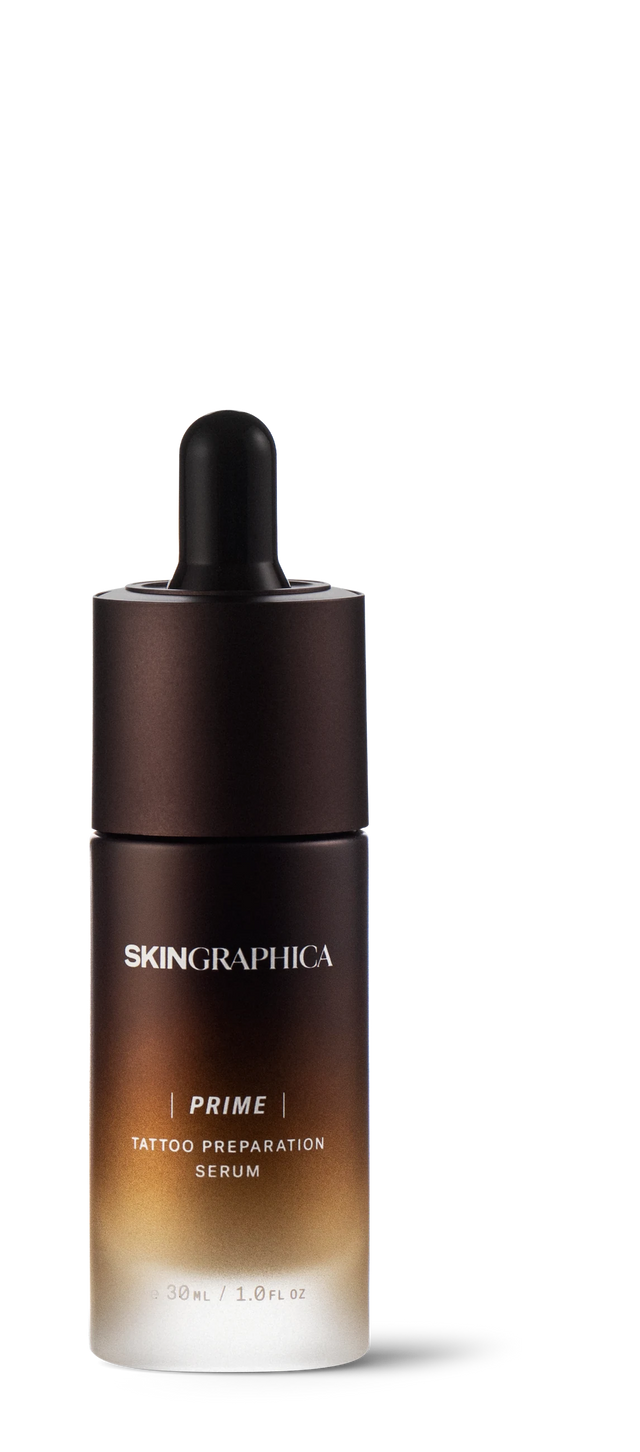
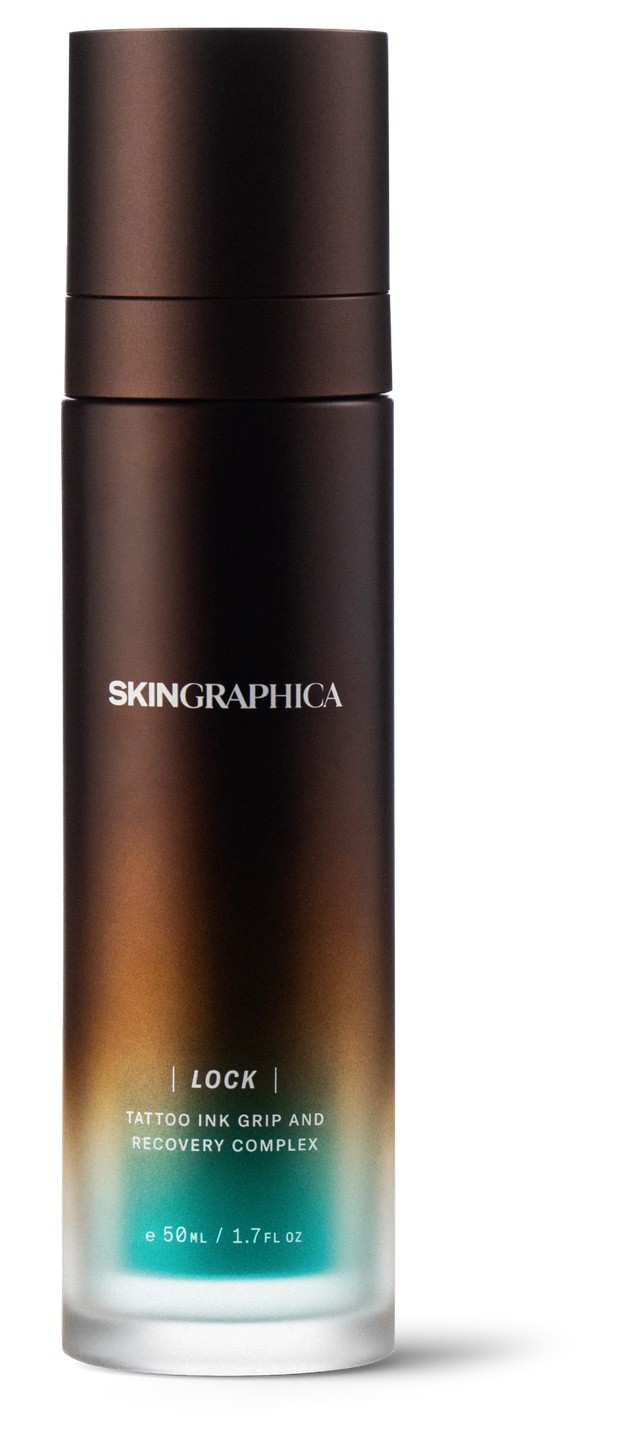
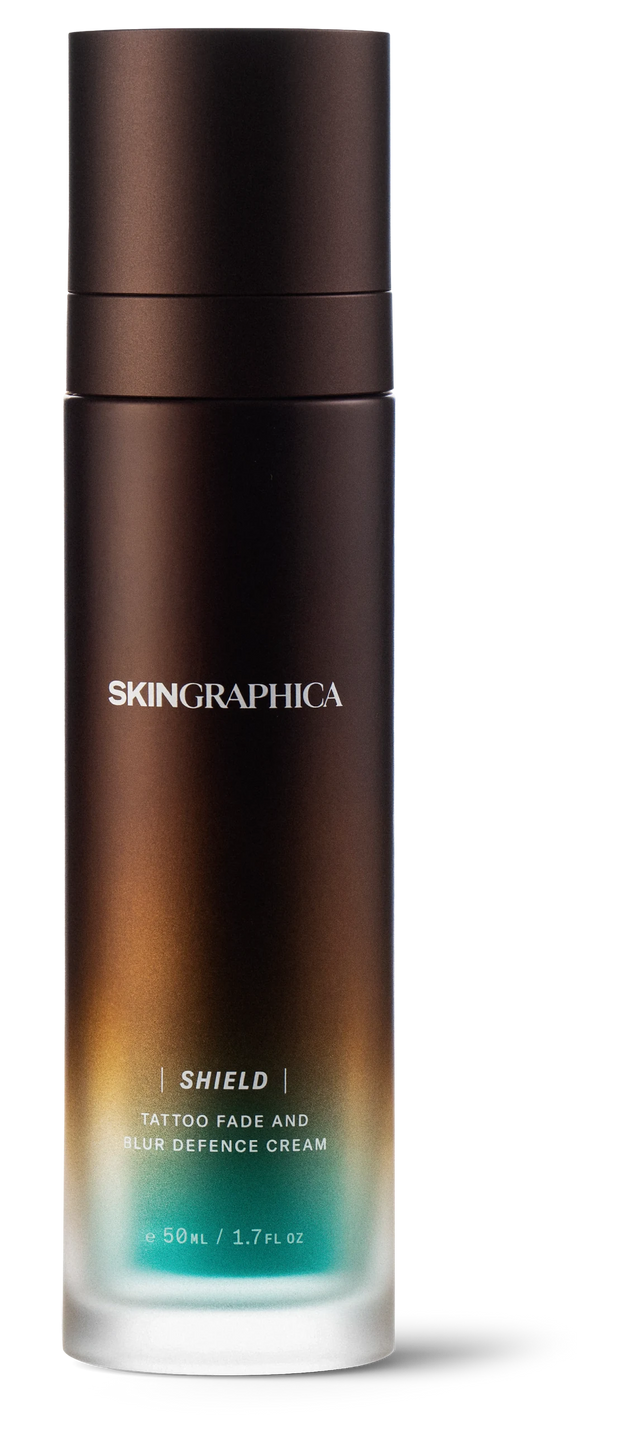
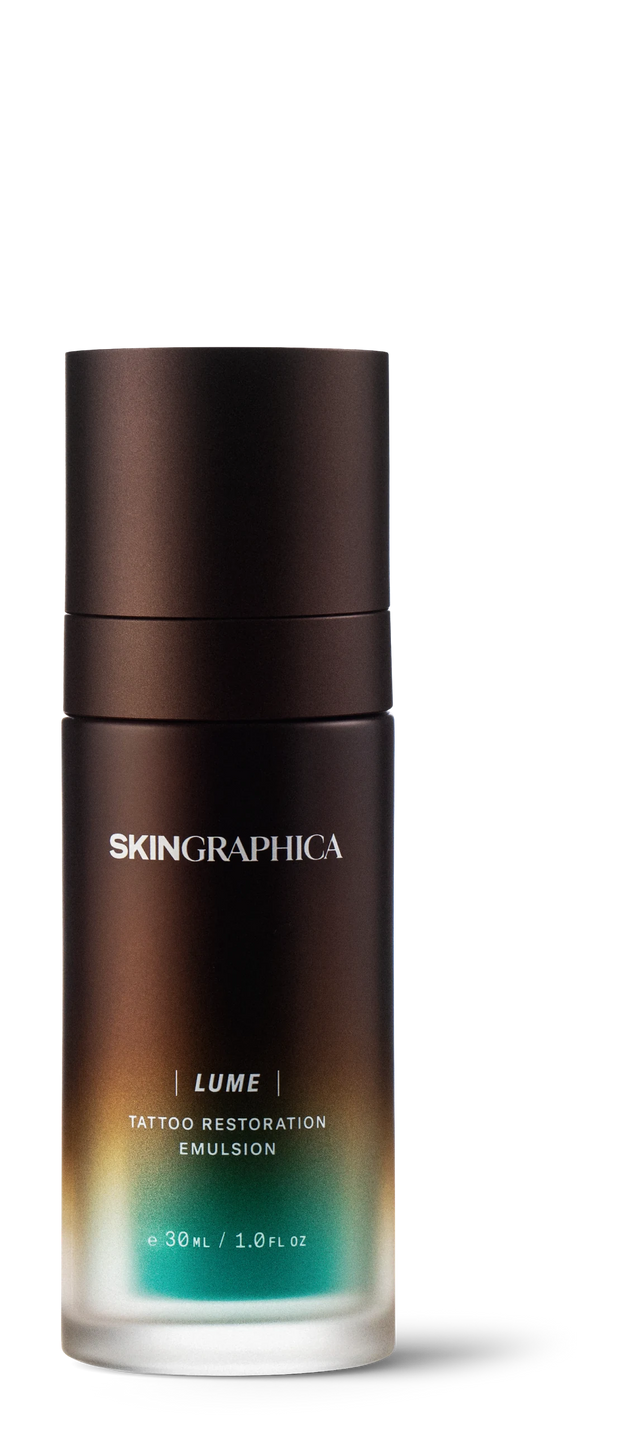
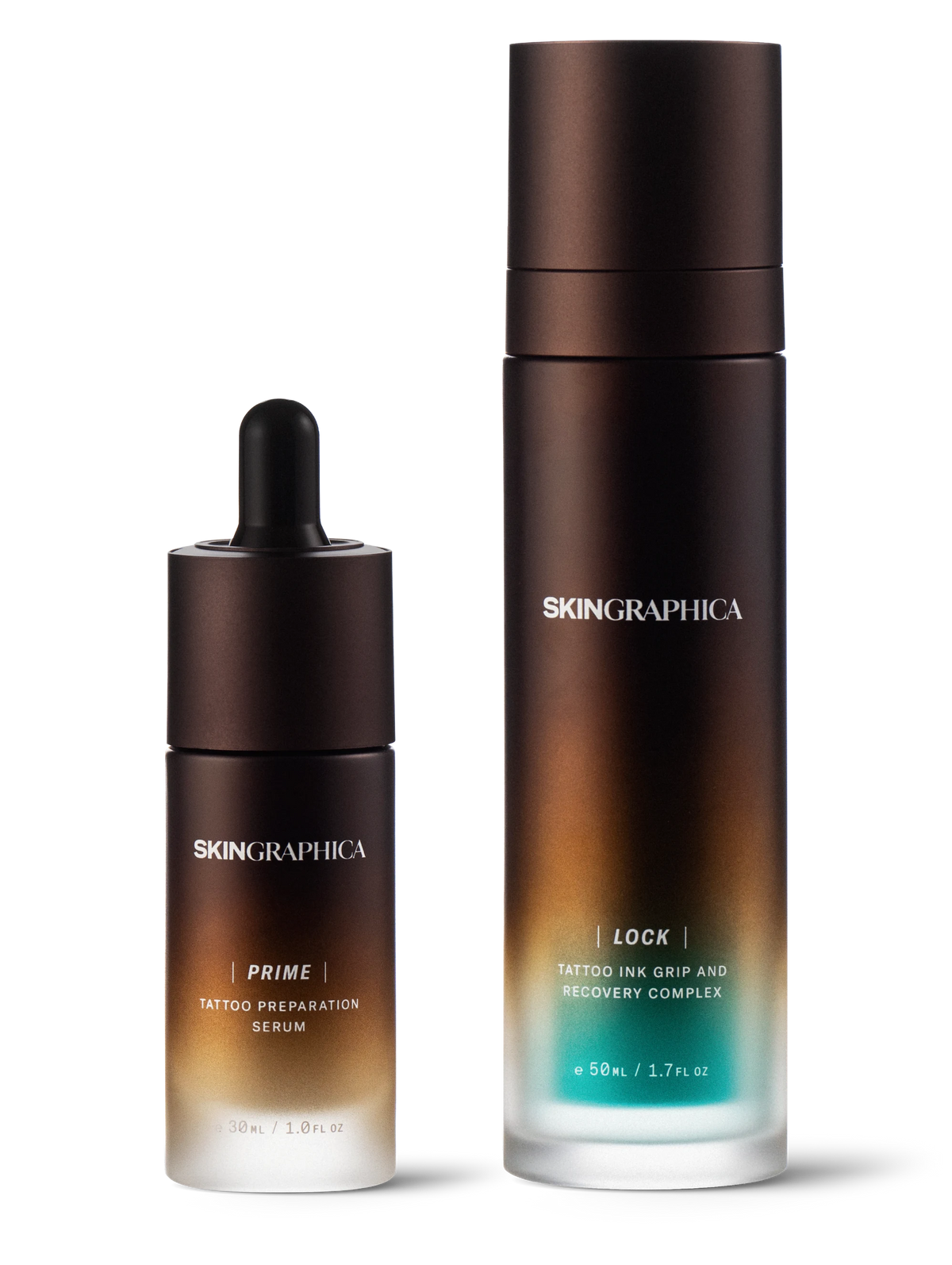
Tattoos now appear in galleries, fashion campaigns and museums. With advanced pigments, biotech skincare such as SKINGRAPHICA® and AI-driven design, the future of tattoos sits at the intersection of art, tech and identity. Ink is no longer just skin deep. It's cultural currency.